

Most people worry more about the recovery from wisdom teeth surgery than the surgery itself. That makes sense: with sedation or general anesthesia, the procedure is over before you know it, but the healing happens at home, on your own schedule, with you in charge of it.
The good news is that recovery follows a fairly predictable pattern. Knowing what is normal on each day makes it much easier to rest, eat sensibly and spot the rare problem early. This guide walks through the typical first week. Your own written instructions from the office are written for your surgery and your medical history, so where they differ from anything here, follow them.

The day of surgery
If you had intravenous sedation or general anesthesia, you will go home with a responsible adult who should stay with you for the rest of the day. Do not drive, operate machinery or sign anything important until the next day. Expect to feel drowsy, and plan to spend the afternoon resting with your head raised on a couple of pillows.
Some oozing from the surgical sites is normal on the first day. Bite firmly and continuously on the gauze you are sent home with and change it only as instructed. The goal is to let a stable blood clot form in each socket, because that clot is the foundation of healing. Anything that creates suction or pressure in the mouth can disturb it, so on day one:
- Do not spit, rinse forcefully or drink through a straw.
- Do not smoke or vape.
- Apply cold to the outside of the face, on and off, as directed.
- Take any prescribed or recommended medication on the schedule you were given, ideally before the local anesthetic wears off.
Numbness of the lips and tongue from the local anesthetic can last several hours. Be careful not to bite your cheek or tongue while it wears off, and keep hot drinks away until feeling returns.
Days two and three: when swelling peaks
Swelling builds before it settles. After wisdom teeth surgery it usually peaks around the second or third day, so do not be alarmed if your face looks fuller on day two than it did on day one. Some people also notice mild bruising along the cheek or jawline that appears a day or two after surgery and fades on its own.
Stiffness when opening the mouth is common during this window, because the chewing muscles sit right next to the surgical sites. It eases as the swelling goes down. Keep resting with your head raised, stay well hydrated, and avoid heavy lifting, strenuous exercise and bending at the waist, which all raise pressure at the surgical sites.
From the first evening you can brush your other teeth normally. Around the sockets, follow the cleaning routine and the timing you were given, and resist the urge to explore the area with your tongue or a finger. Gentle care beats vigorous care.

What to eat, and when
Eating well helps you heal, even if you do not feel hungry. On the first day, stick to soft foods and cool or lukewarm drinks taken from a cup rather than a straw. Good options include:
- Yogurt, pudding and applesauce
- Smooth mashed potatoes or other well cooked vegetables
- Lukewarm blended soups (not hot)
- Smoothies, sipped from a glass
- Scrambled eggs, oatmeal and soft pasta as the days go on
Add texture back gradually as chewing becomes comfortable, and chew away from the surgical sites while they are tender. Hold off on crunchy, sharp or seedy foods such as chips, popcorn and nuts, which can lodge in a healing socket. Avoid alcohol entirely while you are taking anything prescribed for your recovery.
Days four to seven: getting back to normal
By day four most people notice the swelling and soreness turning a corner. Most patients take two to three days away from work or school and are back to normal activity within about a week, though your own timeline depends on how many teeth were removed, how they were positioned and how your body heals.
You may still feel small hollows where the teeth used to be. That is expected: the gum closes over first, and the bone underneath fills in over the following weeks and months. If you were given a follow up appointment, keep it, even if you feel well. It is the chance to confirm that healing is on track.
If you play contact sports or do heavy training, ask before you return to it. The answer depends on your surgery, and it is an easy question to settle with a phone call.
Dry socket: what it is and how to lower the risk
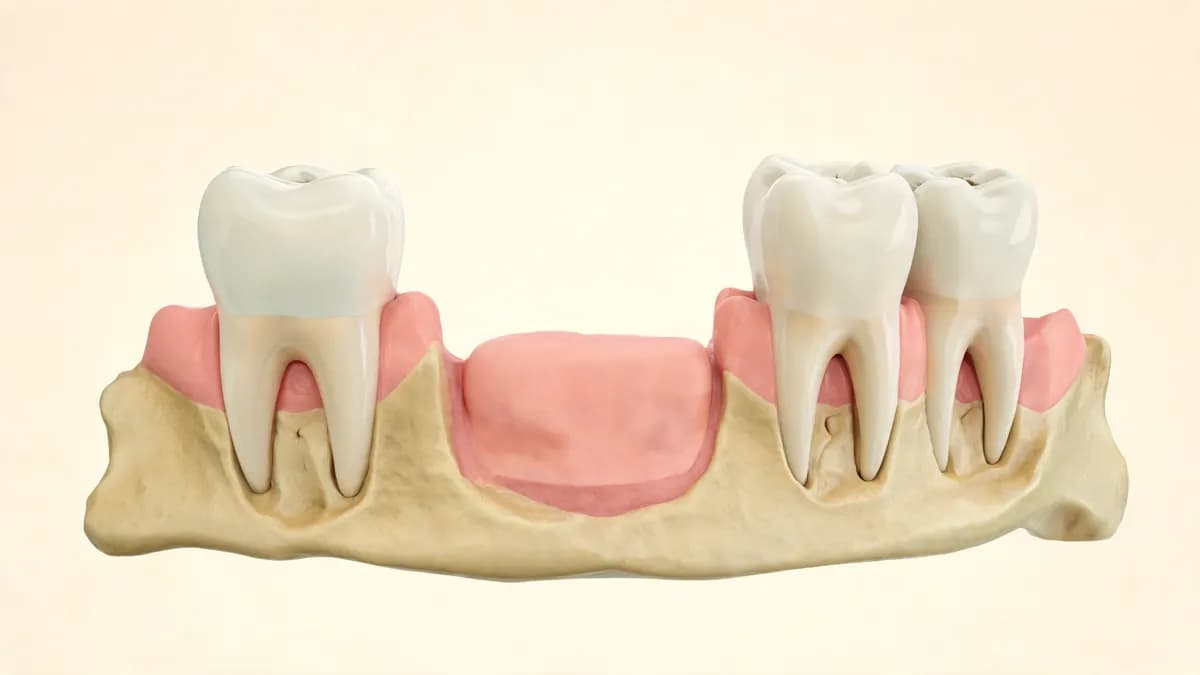
A dry socket happens when the blood clot in a socket is lost or breaks down before the area has healed, leaving the bone underneath exposed. It is the best known complication of tooth removal, and lower wisdom teeth are the most common place for it.
The typical sign is pain that gets worse a few days after surgery instead of better, often aching toward the ear, sometimes with a bad taste or odor. It is uncomfortable but treatable, so call the office rather than waiting it out.
The most reliable ways to protect the clot are the same simple rules from day one: firm pressure on the gauze at first, no smoking or vaping, no straws, and no vigorous rinsing or spitting early on. The American Association of Oral and Maxillofacial Surgeons has a helpful overview of wisdom teeth management if you want more background.
When to call the office
Recovery should get steadily better after the third day. Call the office that treated you if you notice any of the following:
- Bleeding that does not settle after an hour of firm, continuous pressure
- Pain that increases after the third day instead of easing
- Swelling that is still worsening after the third day, or a fever
- Increasing difficulty opening your mouth or swallowing
- Numbness of the lip, chin or tongue that has not begun to return
- A rash, hives or any reaction you think may be from a medication
Difficulty breathing, bleeding you cannot control or loss of consciousness is an emergency: call 911 or go to the nearest emergency department. For everything else, we would far rather hear from you early than have you wait it out. Our patient information page has the full aftercare guide, and you can reach either office from the contact page.
Common questions
Most patients take two to three days away from work or school and are back to normal activity within about a week. The gum and bone keep healing for weeks after that, but you will not usually feel it.
Swelling usually peaks around the second or third day and then settles. Swelling that is still increasing after the third day is worth a phone call.
Avoid straws on the first day at minimum, because the suction can disturb the blood clot. Follow the timing in your written instructions, since it depends on your surgery.
A mild taste in the first day or two can be normal. A bad taste or odor together with pain that is getting worse after day three can be a sign of dry socket, so call the office.
Yes, if you had any form of sedation or general anesthesia. A responsible adult should drive you home and stay with you for the rest of the day.
Nothing in this article replaces an examination. What is right for you depends on your imaging, your medical history and what you want out of the result. Call OAKS in Bakersfield or Valencia, or request a consultation and we will set it out in plain language.
More from the blog
Socket Preservation: Why a Bone Graft at the Time of Extraction Matters
When a tooth comes out, the bone that held it starts to shrink. A socket preservation graft placed at the same visit helps keep your future options open.
September 29, 20265 min read
Your First Oral Surgery Consultation in Valencia or Bakersfield: What to Expect
A first visit to an oral surgeon is mostly about answers. Here is what to bring, what happens in the room, and what you should know by the time you leave.
October 2, 20265 min read