Why wisdom teeth are removed
Third molars are the last teeth to arrive, usually in the late teens or early twenties, and the jaw is often out of room by the time they do. When a wisdom tooth cannot fully erupt it becomes impacted, and an impacted tooth is difficult to keep clean.
That leads to a predictable set of problems: recurring infection in the gum flap over the tooth, decay on the back of the second molar, cyst formation around the crown, and pressure on the roots of neighbouring teeth. Removing the tooth before those changes happen is simpler, quicker and far more comfortable than treating the consequences.
How the surgery works
Your consultation begins with imaging. A panoramic radiograph, and where indicated a cone beam CT scan, shows us the exact position of each root and its relationship to the inferior alveolar nerve and the maxillary sinus. That anatomy determines the surgical approach.
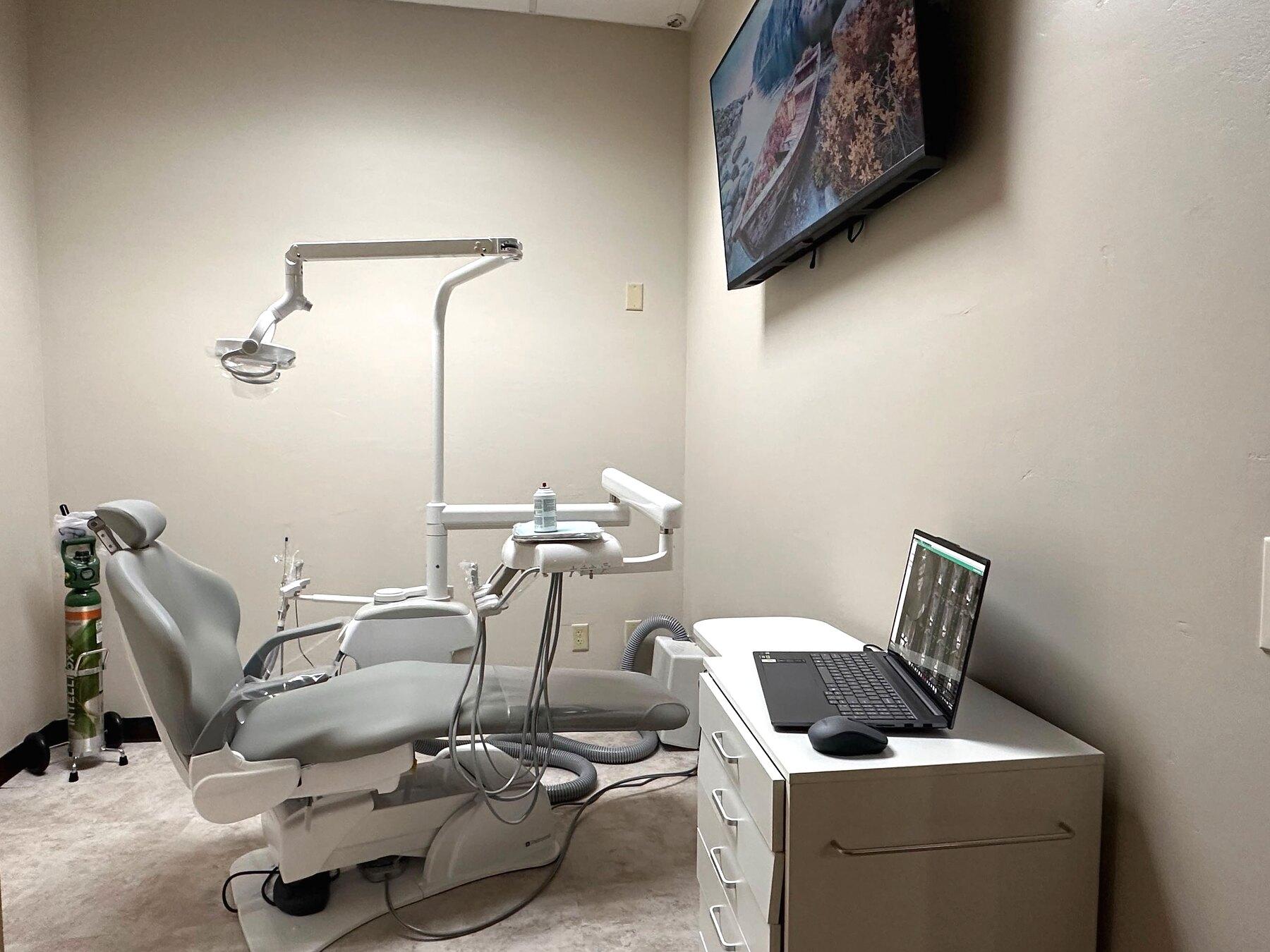
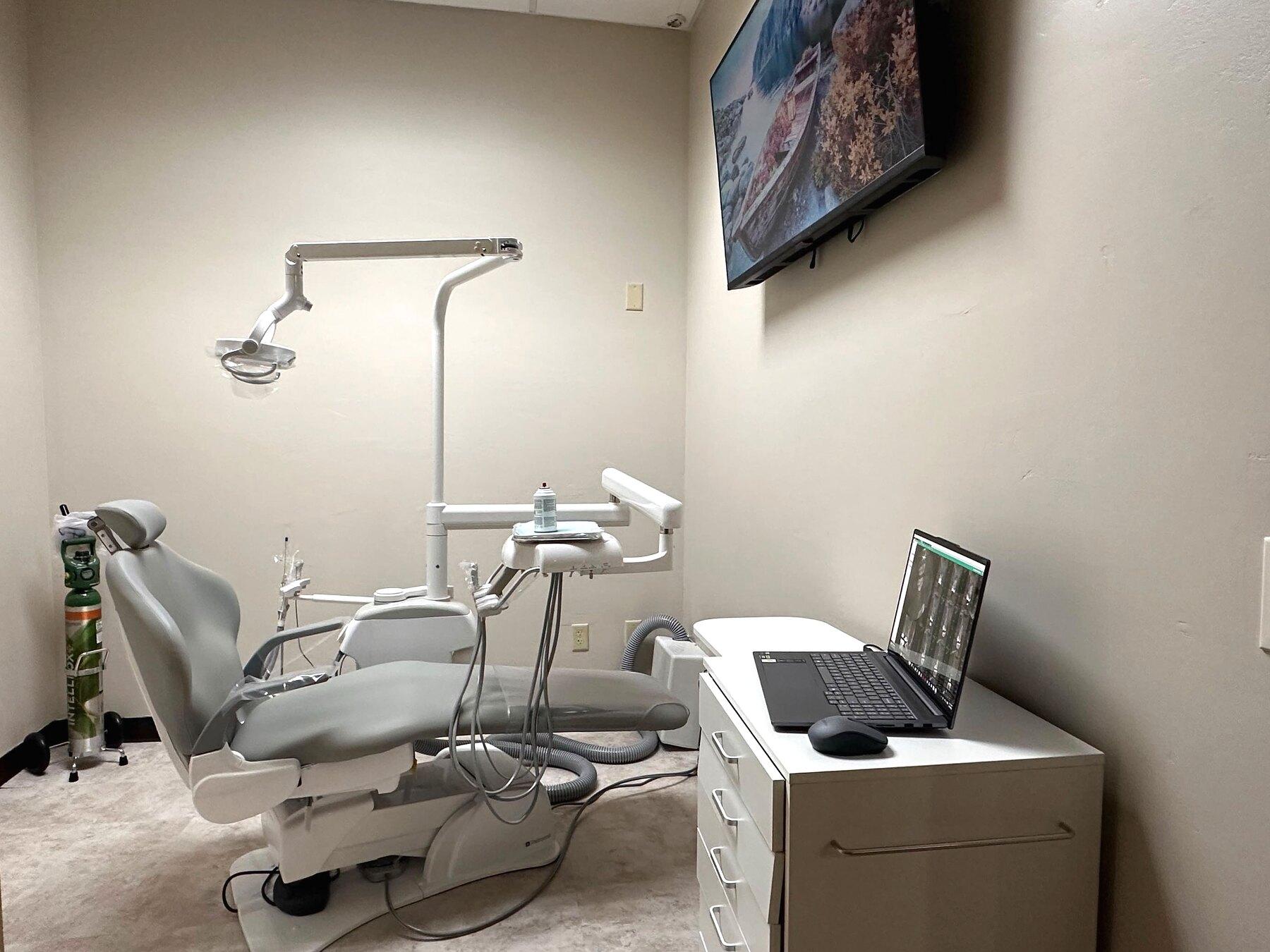
Most patients choose intravenous sedation or general anesthesia, which is administered in our office by a surgeon trained in office based anesthesia. You will not be aware of the procedure. Removal of four impacted third molars typically takes between thirty and sixty minutes.
Recovery
Swelling peaks around the second or third day and then settles. Most patients take two to three days away from work or school, and are back to normal activity within a week. You will leave with written post operative instructions, prescriptions where appropriate, and a direct line to the office.
Signs it is time for an evaluation
- Pain or pressure at the back of the jaw
- Swollen, tender gum tissue over a partially erupted tooth
- Repeated infections in the same area
- Crowding or shifting of the front teeth
- A referral from your general dentist after a routine radiograph
Nothing on this page replaces an examination. What is right for you depends on your imaging, your medical history and what you want out of the result. We will set all of that out at the consultation, in plain language.