Why this is a specialty in itself
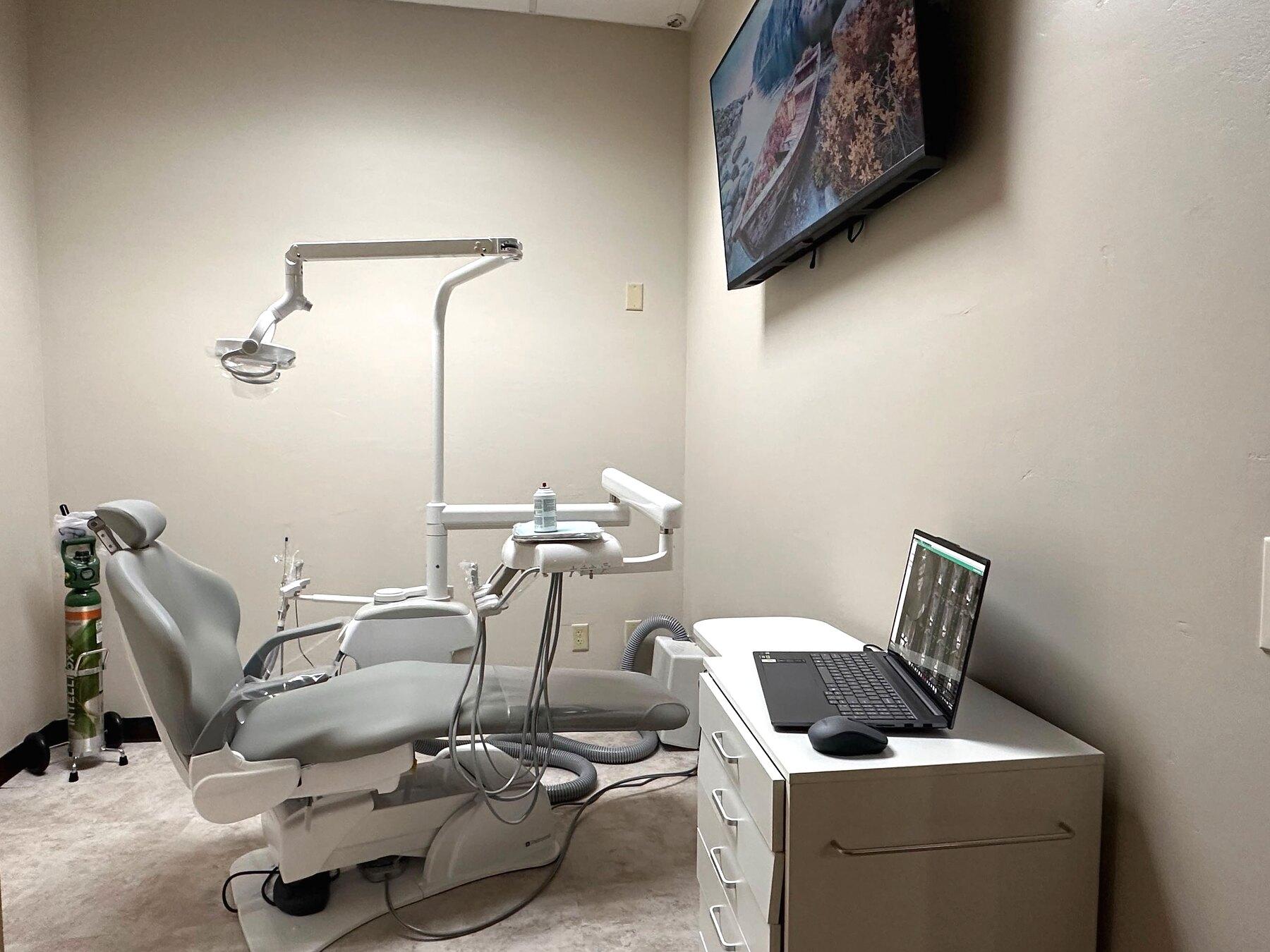
Oral and maxillofacial surgery is the only dental specialty whose residency includes formal anesthesia training on a hospital anesthesia service. That is what allows procedures which would otherwise mean a hospital admission to be done comfortably and safely in an office.
Dr. Farahi is a member of the American Dental Society of Anesthesiology. Office based anesthesia is among Dr. Beshai's stated clinical interests.
The options
Local anesthesia numbs the surgical site while you stay fully awake, and is appropriate for straightforward procedures. Nitrous oxide adds a light, quickly reversible relaxation on top of it. Intravenous sedation puts you in a deeply relaxed state in which you are unlikely to remember the procedure. General anesthesia renders you fully unconscious for the duration.
We choose together, based on the complexity of the surgery, your medical history and how you feel about being awake for it. There is no default.
Monitoring
Throughout any sedation or general anesthetic your heart rhythm, blood pressure, blood oxygen saturation and exhaled carbon dioxide are continuously monitored, by a trained surgical team using equipment kept to the standard the procedure requires.
Before a sedation appointment
- Follow the fasting instructions you are given exactly
- Arrange a responsible adult to drive you home and stay with you
- Bring a current list of all medications and supplements
- Tell us about every medical condition, however minor it seems
- Wear short sleeves and leave contact lenses at home
Nothing on this page replaces an examination. What is right for you depends on your imaging, your medical history and what you want out of the result. We will set all of that out at the consultation, in plain language.