
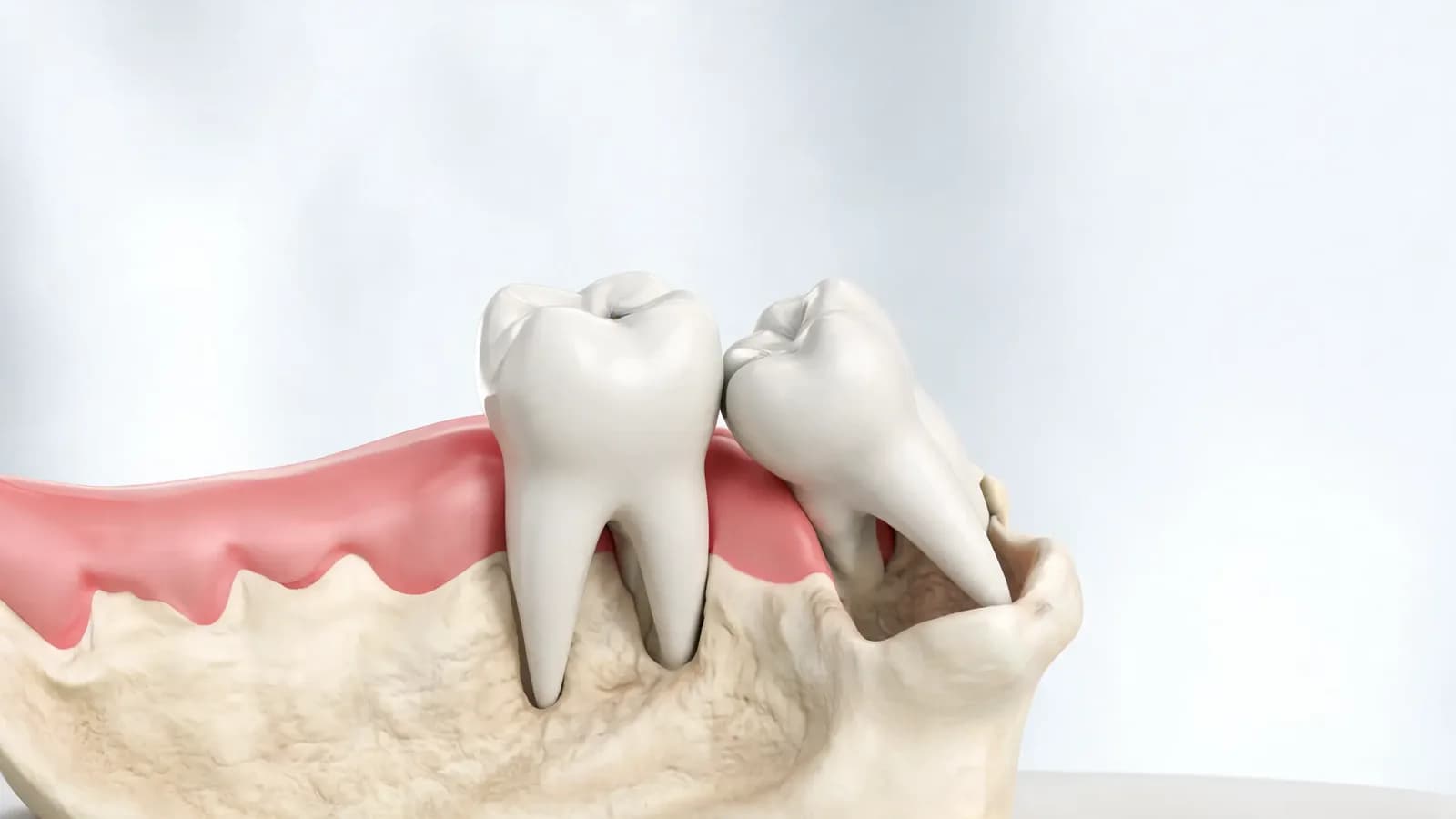
Wisdom teeth, the third molars, are the last teeth to arrive, usually in the late teens or early twenties. For some people they come in straight and cause no trouble at all. For many others, the jaw has simply run out of room by the time they appear.
So how do you know whether yours need to come out? This guide covers the signs that a wisdom tooth is causing a problem, why impacted teeth lead to trouble even when they do not hurt, and how an oral surgeon decides. The short version: the decision comes from an examination and imaging, not from a rule that every wisdom tooth must go.
Why Wisdom Teeth Cause Problems
When a wisdom tooth cannot fully erupt, it becomes impacted. It may stay buried in the bone, come through only partway, or grow in at an angle against the tooth in front of it.
An impacted or partly erupted tooth is difficult to keep clean. Food and bacteria collect under the flap of gum over the tooth and in the tight space behind the second molar. That leads to a predictable set of problems:
- Recurring infection in the gum flap over the tooth
- Decay on the back of the second molar, which is hard to reach with a toothbrush
- A cyst forming around the crown of a buried tooth
- Pressure on the roots of neighboring teeth
Removing a problem tooth before those changes happen is simpler, quicker and far more comfortable than treating the consequences later.

Signs It Is Time for an Evaluation
These are the most common reasons people come in to have their wisdom teeth checked:
- Pain or pressure at the back of the jaw. It may come and go, and it can spread toward the ear.
- Swollen, tender gum tissue over a partly erupted tooth.
- Repeated infections in the same area, sometimes with a bad taste or bad breath that does not go away.
- Crowding or shifting of the front teeth.
- A referral from your general dentist after a routine x-ray shows a tooth that is impacted or growing at an angle.
Some problem wisdom teeth cause no symptoms at all. A buried tooth with a cyst forming around it, or a tooth slowly damaging the molar in front, can go unnoticed until it shows up on an x-ray. That is why your dentist may recommend an evaluation even if nothing hurts.
If you have swelling that is spreading, a fever, or difficulty opening your mouth or swallowing, call the office promptly rather than waiting for a routine appointment.
Do All Wisdom Teeth Need to Come Out?
No. A wisdom tooth that is fully erupted, functional and cleanable can be left alone and monitored. Plenty of people keep healthy wisdom teeth for life.
The decision is made tooth by tooth, from imaging and a clinical examination. The questions are practical ones. Is the tooth fully through the gum? Can it be cleaned properly? Is it in a position that is damaging, or likely to damage, the teeth and bone around it?
The American Association of Oral and Maxillofacial Surgeons explains its approach to wisdom teeth management in more depth, and the ADA's wisdom teeth overview is a good plain language summary.
How the Decision Is Made at Your Consultation
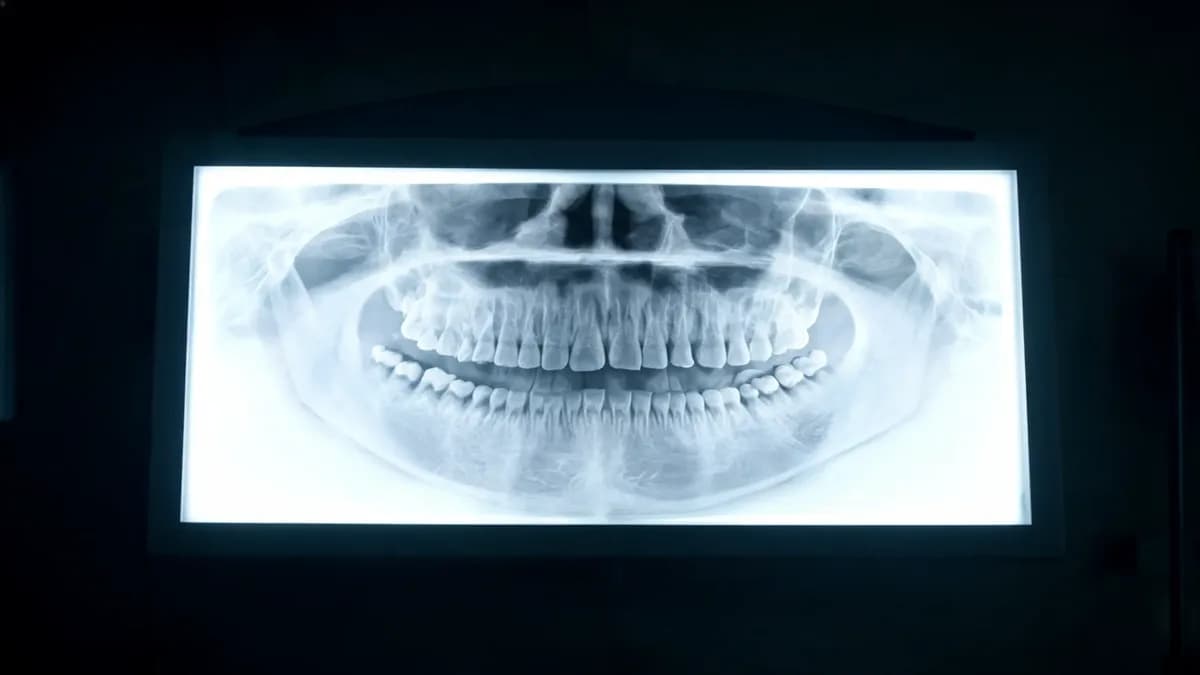
Your consultation begins with imaging. A panoramic x-ray, and where indicated a cone beam CT scan, shows the exact position of each wisdom tooth and its roots, and their relationship to the nerve in the lower jaw and the sinus above the upper teeth. That anatomy determines whether removal makes sense and, if it does, the surgical approach.
We then talk through what the imaging shows, what we recommend for each tooth and why, and what the alternatives are. If a tooth can safely stay, we will tell you so.
If removal is the right call, we also discuss anesthesia. We offer local anesthesia, nitrous oxide, intravenous sedation and general anesthesia, and we will talk through which is appropriate for your health history and the complexity of the surgery. Most patients having impacted wisdom teeth removed choose intravenous sedation or general anesthesia.
Why Timing Matters
If a wisdom tooth is going to need removal, it is generally easier earlier rather than later. In younger patients the roots are often not fully formed and the bone is more forgiving, and treating before infection, decay or a cyst develops avoids a harder surgery down the road.
Removal of four impacted wisdom teeth typically takes between thirty and sixty minutes. Most patients take two to three days away from work or school and are back to normal activity within a week. Our day by day recovery guide shows what that first week usually looks like.
If you or your teenager have any of the signs above, our offices in Bakersfield and Valencia can evaluate the wisdom teeth and give you a clear answer. You can request a consultation or read more about wisdom teeth removal.
Common questions
No. A wisdom tooth that is fully erupted, functional and cleanable can be left alone and monitored. The decision is made from imaging and an examination.
Yes. A buried tooth can form a cyst or damage the molar in front of it without any symptoms. That is often found on a routine x-ray.
Common signs are pain or pressure at the back of the jaw, swollen tender gums over a partly erupted tooth, and repeated infections in the same spot.
If a tooth will need removal, earlier is generally easier, before roots are fully formed and before infection, decay or a cyst develops.
That is your choice. Local anesthesia, nitrous oxide, intravenous sedation and general anesthesia are all offered, and we will discuss which suits you.
Nothing in this article replaces an examination. What is right for you depends on your imaging, your medical history and what you want out of the result. Call OAKS in Bakersfield or Valencia, or request a consultation and we will set it out in plain language.
More from the blog

Wisdom Teeth Removal Recovery: A Day by Day Guide
What the first week after wisdom teeth surgery usually looks like, what to eat, how to protect the healing sockets, and when to pick up the phone.
September 28, 20266 min read
Your First Oral Surgery Consultation in Valencia or Bakersfield: What to Expect
A first visit to an oral surgeon is mostly about answers. Here is what to bring, what happens in the room, and what you should know by the time you leave.
September 21, 20265 min read