
Between youth sports, bikes, skateboards and the trails around the Santa Clarita Valley, injuries to the face and mouth are a fact of family life. Most are minor. Some, like a knocked-out tooth or a broken jaw, are time sensitive, and knowing what to do in the first hour makes a real difference.
This guide covers what to do right after a facial or dental injury, how to tell when it is an emergency room situation, and how an oral and maxillofacial surgeon treats these injuries at our Valencia office.
First: When It Is a 911 Situation
Some injuries need the emergency department, not a dental office. Call 911 or go to the nearest emergency room for:
- Severe bleeding that will not stop with firm pressure
- Difficulty breathing or swallowing
- Loss of consciousness, even briefly
- A suspected skull or neck injury
Once the person is stable and those concerns are ruled out, the face, jaws and teeth can be assessed and treated. Oral and maxillofacial surgeons are the specialists hospitals call for facial injuries, so the two often work hand in hand.

A Knocked-Out Tooth: The First Hour Matters Most
A permanent tooth that has been knocked out completely can sometimes be saved, but only if it is handled correctly and quickly. Here is what to do:
- Find the tooth and pick it up by the crown, the white part you normally see. Do not touch the root.
- Rinse it gently in milk or saline if it is dirty. Do not scrub it or wrap it in a tissue.
- If you can, put it back in the socket and hold it there by biting gently on gauze or a clean cloth.
- If you cannot reseat it, keep it in milk and get to us straight away.
The first hour matters more than anything else that follows. A tooth kept moist and brought in quickly has the best chance.
Baby teeth are different. A knocked-out baby tooth is not put back in, because that can damage the permanent tooth developing underneath. It should still be checked.
What an Oral Surgeon Treats After an Injury
Oral and maxillofacial surgeons spend much of their residency on emergency service managing facial injuries: jaw and midface fractures, eye socket injuries, injuries to the teeth and the bone that holds them, and soft tissue repair. At our office that includes:
- Fractures of the lower jaw, upper jaw, cheekbone and eye socket
- Teeth that have been knocked out, driven into the bone or fractured at the root
- Cuts to the lip, cheek, tongue and facial skin, where the priority is a repair that heals with a scar you do not notice
The goal is to treat function and appearance as one problem: a bite that comes together properly, and a face that looks like itself. You can read more on our facial trauma page, and the American Association of Oral and Maxillofacial Surgeons has an overview of facial injury surgery.
Signs of a Jaw or Facial Fracture
Not every fracture is obvious. After a blow to the face, these signs are a reason to be evaluated promptly:
- Teeth that no longer meet the way they used to when you bite
- Pain or difficulty opening and closing the mouth
- Numbness of the lip, chin or cheek
- Swelling or a flat or uneven area over the cheekbone
- Double vision or pain around the eye
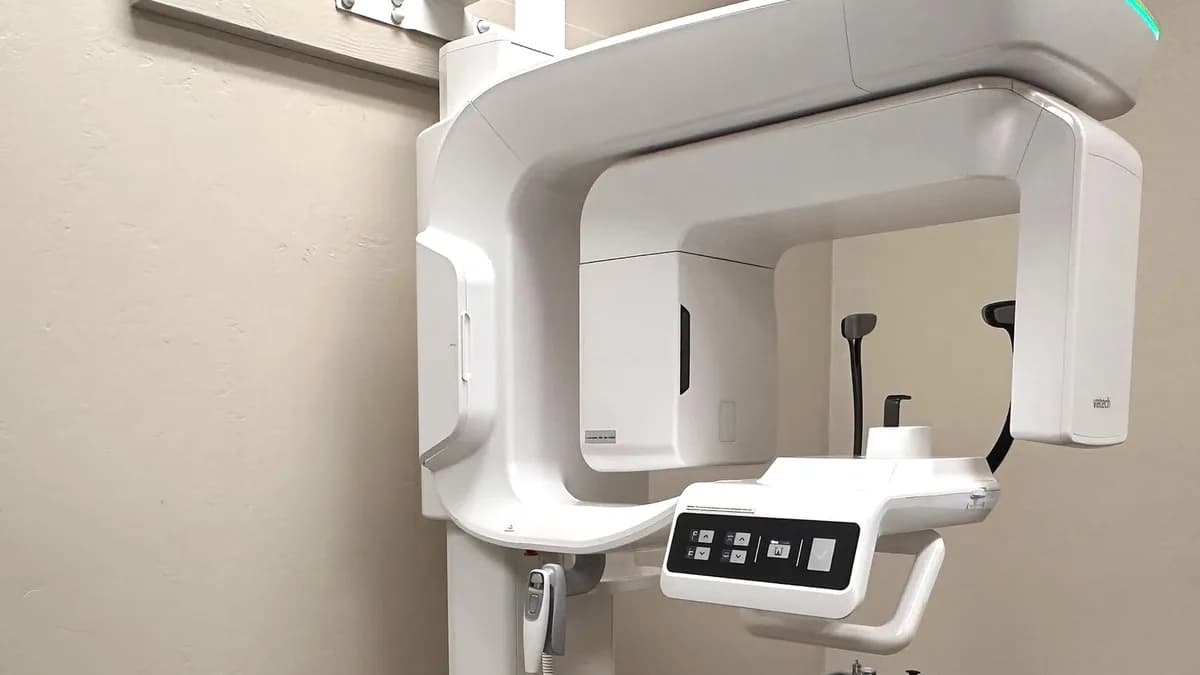
Imaging is how a fracture is confirmed and planned for. Cone beam CT imaging shows the bones of the face and jaws in three dimensions, so the injury can be assessed precisely.
Preventing Injuries in the First Place
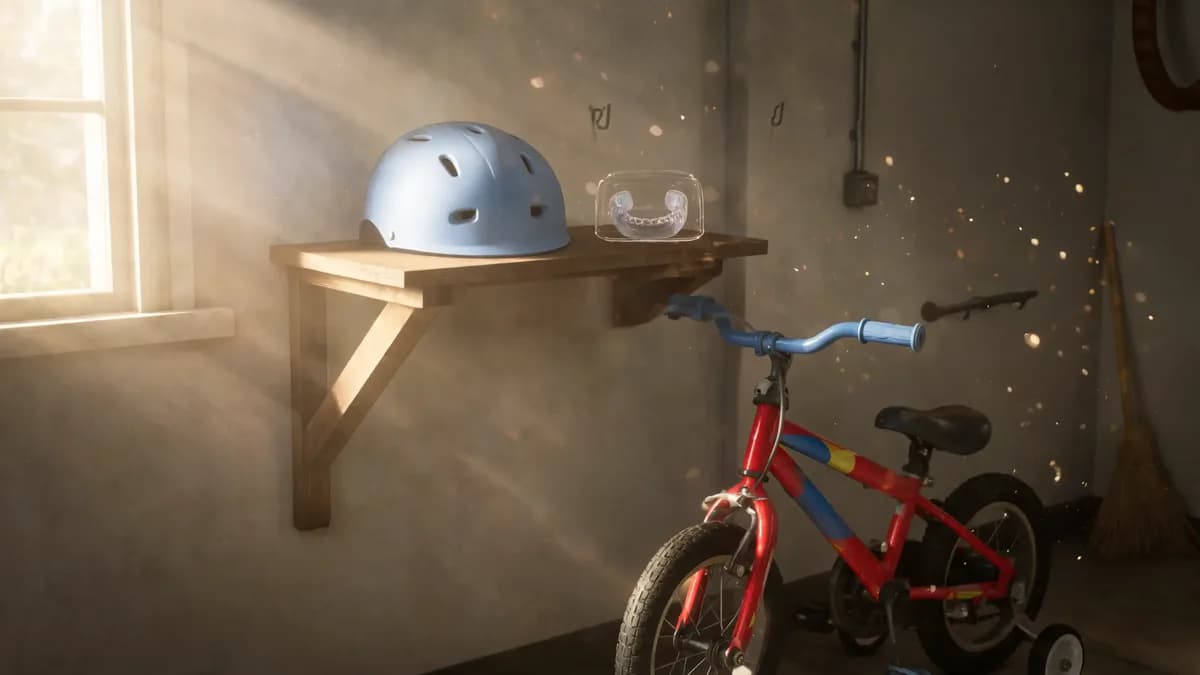
Many facial and dental injuries in children and teens come from sports and wheeled activities, and a few simple habits prevent a lot of them:
- A mouthguard for contact sports and anything with balls, sticks or falls involved
- A properly fitted helmet for bikes, scooters, skateboards and skating
- A face guard where the sport allows it
The American Dental Association's guide to mouthguards explains the different types and how to choose one.
Our Valencia Office
Our Valencia office is at 23501 Cinema Drive, Suite 207, Valencia, CA 91355, and you can reach it at (661) 383-2550. Office hours are Monday to Friday, 9:00 AM to 5:00 PM, and surgical emergencies are triaged by phone during office hours.
We also see patients at our Bakersfield office at 1010 Calloway Drive, Suite 200B.
If someone in your family has had an injury to the face, jaw or teeth, call the office so we can advise you on what to do next, or request an appointment for an evaluation.
Common questions
Pick it up by the crown, rinse it gently in milk or saline, and try to put it back in the socket. If you cannot, keep it in milk and get to us straight away.
No. Reinserting a baby tooth can damage the permanent tooth underneath. It should still be checked by a dentist.
For severe bleeding, difficulty breathing or swallowing, loss of consciousness, or a suspected skull or neck injury, call 911.
Signs include teeth that no longer meet properly, pain opening or closing, numbness of the lip or chin, and swelling. Imaging confirms it.
23501 Cinema Drive, Suite 207, Valencia, CA 91355. The phone number is (661) 383-2550.
Nothing in this article replaces an examination. What is right for you depends on your imaging, your medical history and what you want out of the result. Call OAKS in Bakersfield or Valencia, or request a consultation and we will set it out in plain language.
More from the blog

Your First Oral Surgery Consultation in Valencia or Bakersfield: What to Expect
A first visit to an oral surgeon is mostly about answers. Here is what to bring, what happens in the room, and what you should know by the time you leave.
September 21, 20265 min read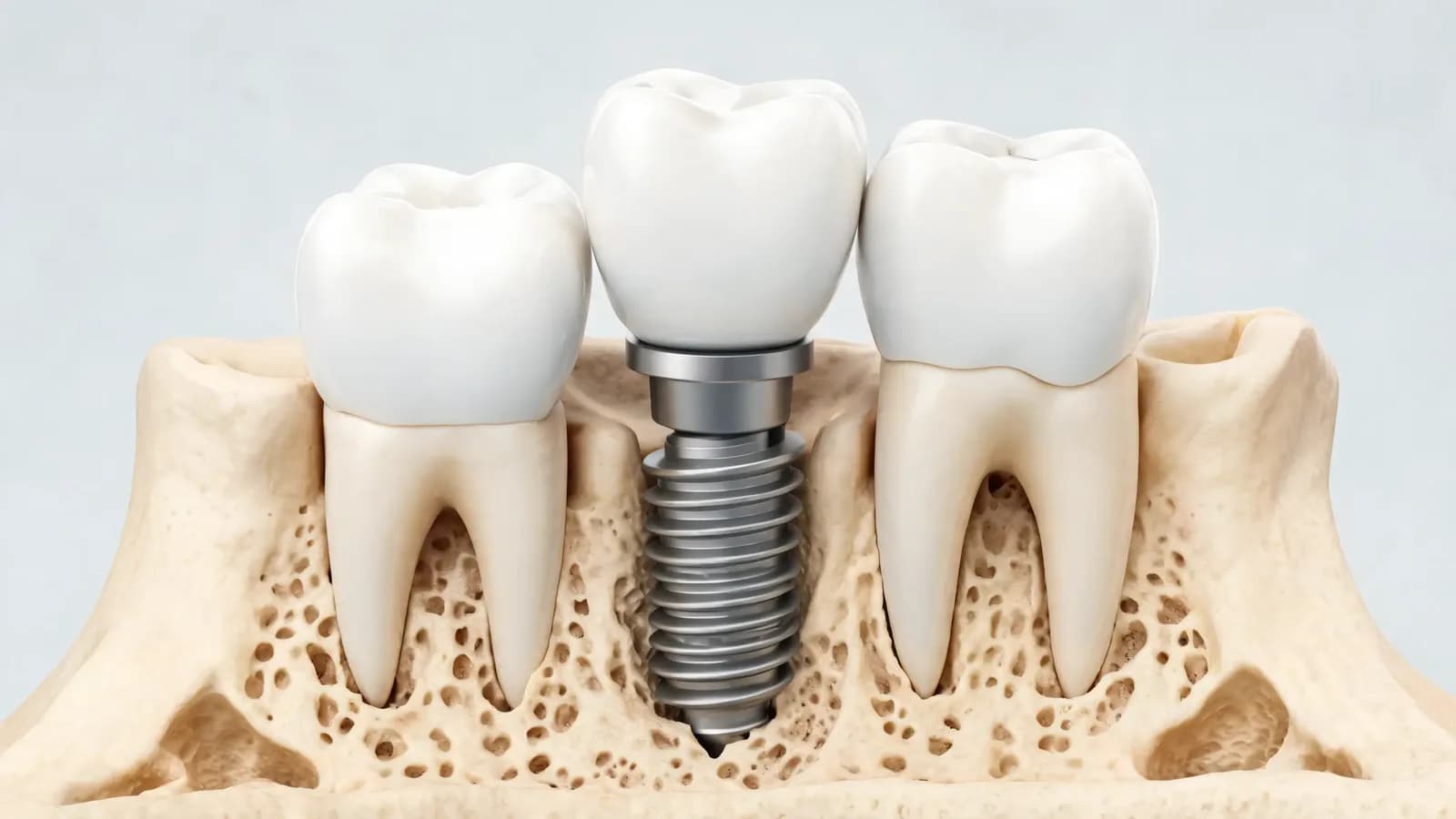
Dental Implant Surgery Step by Step, From Consultation to Crown
From the first consultation and 3D scan to the day your dentist fits the crown, here is how dental implant treatment unfolds and how long each stage usually takes.
October 5, 20265 min read