
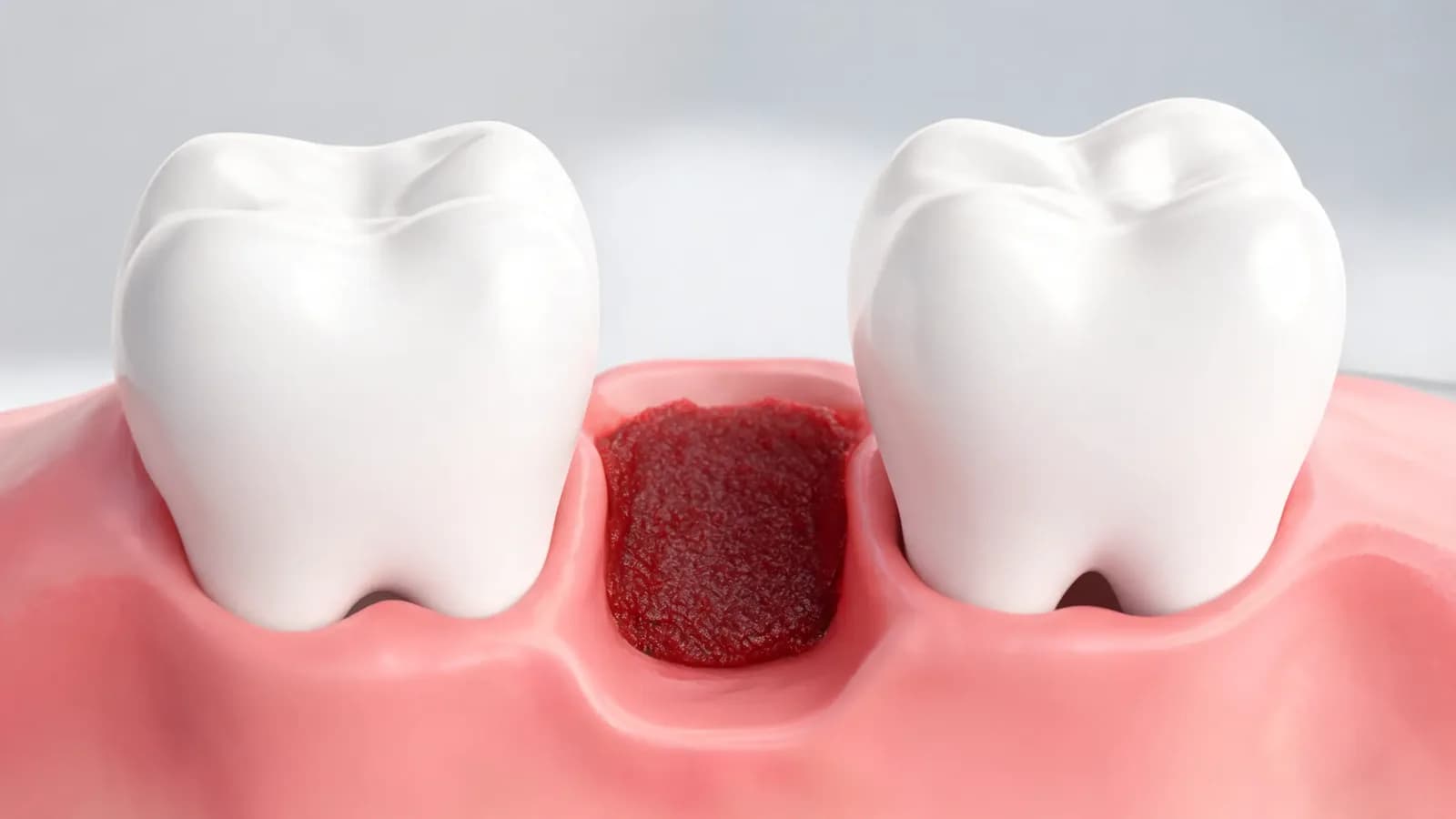
After a tooth is removed, the empty socket fills with a blood clot. That clot is the foundation of healing: it protects the bone and nerve endings underneath while new tissue grows in. Dry socket happens when that clot is lost or breaks down too early, leaving the bone exposed.
It is the most common complication after a tooth extraction, and it can be very painful, but it is also largely preventable and very treatable. This guide explains how to recognize it, how to lower your risk, and what treatment involves.
Normal Healing or Dry Socket?
Some discomfort after an extraction is completely normal. Normal healing usually means soreness and swelling that peak in the first couple of days and then steadily improve.
Dry socket tends to follow a different pattern. The signs to watch for are:
- Pain that gets worse a few days after the extraction instead of better
- Throbbing pain that can spread toward the ear, eye or neck on the same side
- A socket that looks empty, sometimes with visible bone instead of a dark clot
- A bad taste or unpleasant odor from the area
- Pain that over-the-counter medication does not touch
The key clue is timing. Pain that was settling and then ramps up again is the classic sign. If that happens, call the office rather than waiting it out.
What Raises the Risk
Anyone can develop dry socket, but some things make it more likely:
- Smoking and vaping. The suction of inhaling and the chemicals in smoke both interfere with the clot. This is one of the biggest risk factors.
- Lower wisdom teeth. Dry socket is more common after removal of lower wisdom teeth, especially impacted ones.
- Suction and rinsing. Drinking through a straw, spitting forcefully or vigorous rinsing in the first day can dislodge the clot.
- A previous dry socket. If you have had one before, mention it at your consultation.
- Poor oral hygiene or an existing infection around the tooth.
The ADA's overview of dry socket covers the condition in plain language if you want more background.

How to Prevent Dry Socket
You will leave the office with written instructions covering bleeding, swelling, diet and activity. The habits that most reliably prevent a dry socket are simple:
- Firm pressure on gauze for the first hour, so a stable clot can form.
- No smoking or vaping. The longer you can avoid it, the better.
- No straws, and no forceful spitting.
- No vigorous rinsing on day one. After that, rinse gently as your instructions describe.
- Soft foods, chewing on the other side of the mouth.
- Take medications as prescribed and on schedule.
Brushing your other teeth carefully is still important, since a clean mouth heals better. Just stay gentle around the extraction site for the first few days.
Eating and Drinking While You Heal
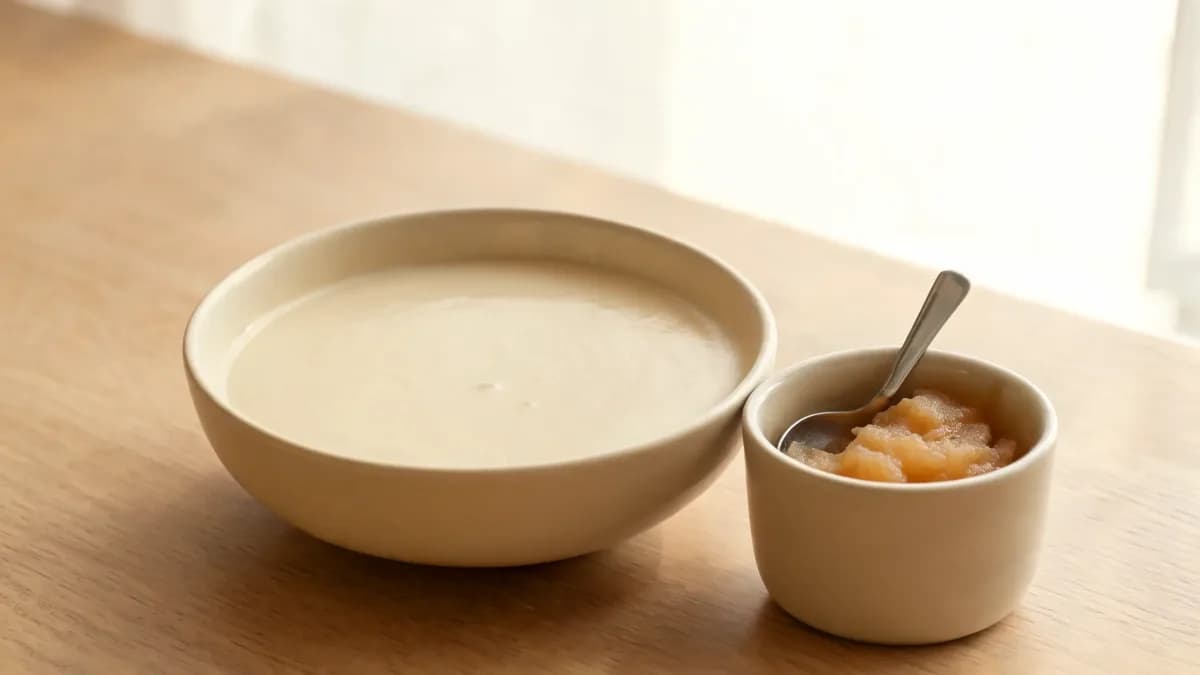
Soft, lukewarm foods are the easiest on a healing socket: soups that are not too hot, yogurt, mashed potatoes, scrambled eggs, applesauce and smoothies eaten with a spoon rather than a straw.
Avoid crunchy and small hard foods such as chips, nuts, seeds and popcorn for the first several days. They can lodge in the socket and disturb the clot. Very hot drinks and alcohol are also best avoided early on.
How Dry Socket Is Treated
If you think you have dry socket, call us. It is not something to manage alone, and the good news is that treatment usually brings relief quickly.
Treatment generally focuses on comfort while the socket heals: gently cleaning the area, placing a soothing medicated dressing in the socket, and pain control. The dressing may be changed over the following days until healing is underway. You will also get instructions for caring for the site at home.
Dry socket delays healing, but it does not usually cause lasting problems once it is treated. The socket goes on to heal normally.
If You Are Having a Tooth Removed
Many extractions, including wisdom teeth, go smoothly with no dry socket at all, especially when the aftercare instructions are followed. If you are planning to replace the tooth with an implant later, ask about socket preservation, a graft placed at the time of extraction to keep the site ready.
For a day by day look at recovery after wisdom teeth surgery, see our wisdom teeth recovery guide. If something does not feel right after an extraction at our Bakersfield or Valencia office, we would rather hear from you early. You can contact us any time during office hours.
Common questions
The classic sign is pain that gets worse a few days after an extraction instead of better, often spreading toward the ear, sometimes with a bad taste or a socket that looks empty.
Keep firm pressure on gauze for the first hour, avoid smoking, straws, forceful spitting and vigorous rinsing on day one, and follow your written instructions.
Avoid straws while the socket heals. The suction can dislodge the blood clot that protects the bone.
It is painful but treatable. With care from your surgeon, pain usually eases quickly and the socket goes on to heal normally.
Smoking and vaping are among the biggest risk factors, because suction and the chemicals in smoke interfere with the healing clot.
Nothing in this article replaces an examination. What is right for you depends on your imaging, your medical history and what you want out of the result. Call OAKS in Bakersfield or Valencia, or request a consultation and we will set it out in plain language.
More from the blog

Wisdom Teeth Removal Recovery: A Day by Day Guide
What the first week after wisdom teeth surgery usually looks like, what to eat, how to protect the healing sockets, and when to pick up the phone.
September 28, 20266 min read
Socket Preservation: Why a Bone Graft at the Time of Extraction Matters
When a tooth comes out, the bone that held it starts to shrink. A socket preservation graft placed at the same visit helps keep your future options open.
September 14, 20265 min read