
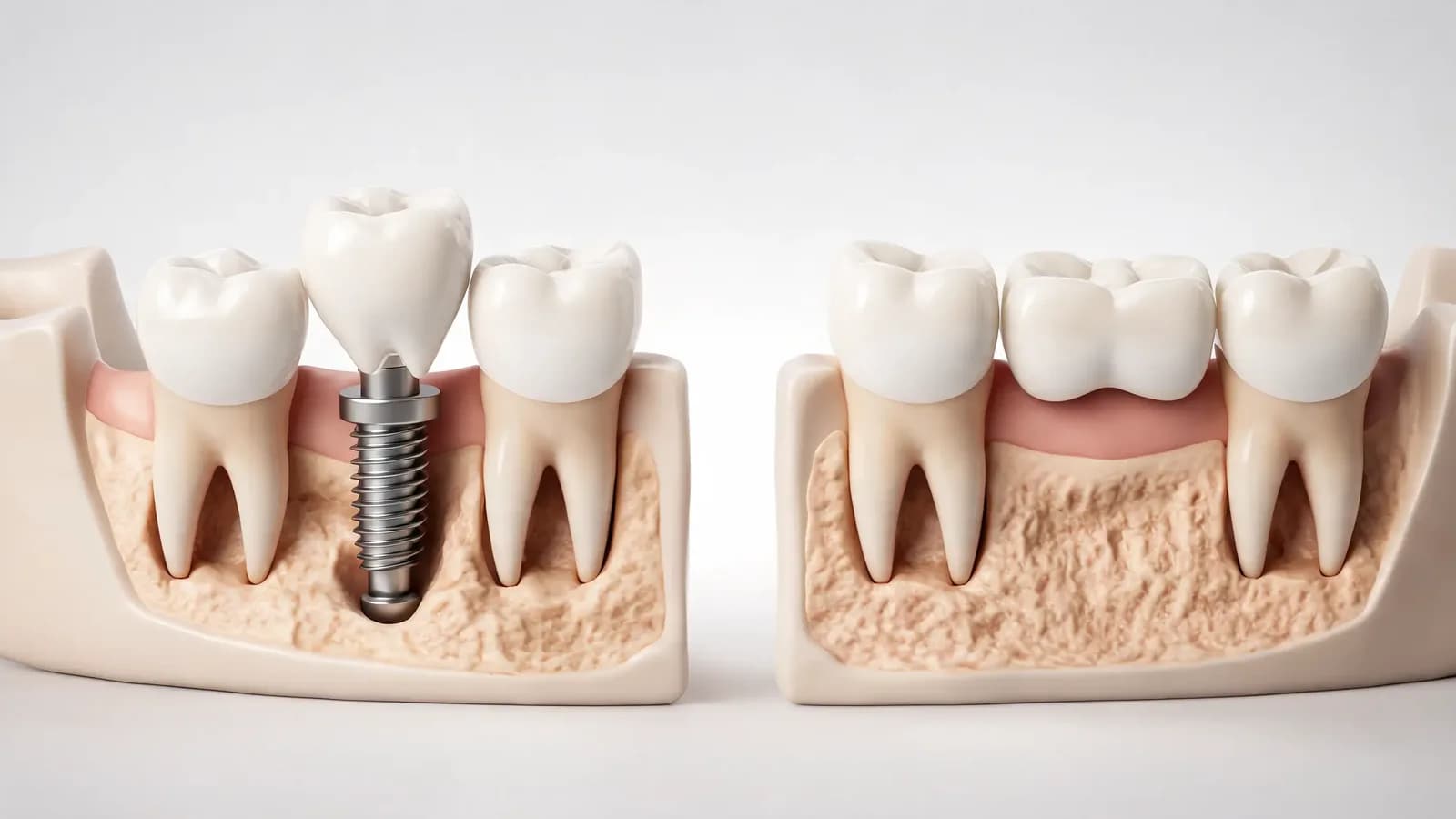
A dental implant replaces a missing tooth with a titanium root in the jaw and leaves the teeth beside the gap untouched. A bridge fills the gap with a false tooth held by crowns on the neighboring teeth, which have to be reshaped to hold it. Both can work well; the trade offs are the health of those neighboring teeth, the jaw bone under the gap, daily cleaning and the timeline. OAKS Oral Surgery places implants at our Bakersfield office, (661) 246-3750, and our Valencia office, (661) 383-2550, in partnership with your general dentist.
If you have lost a tooth, or one is about to come out, your dentist has probably mentioned both options. They are both proven ways to restore a gap, and the right choice depends on your mouth rather than on a rule.
This guide compares the two side by side, on the things that matter over the long run rather than on day one, so you can have a better conversation with your dentist and your surgeon.
How Each Option Works
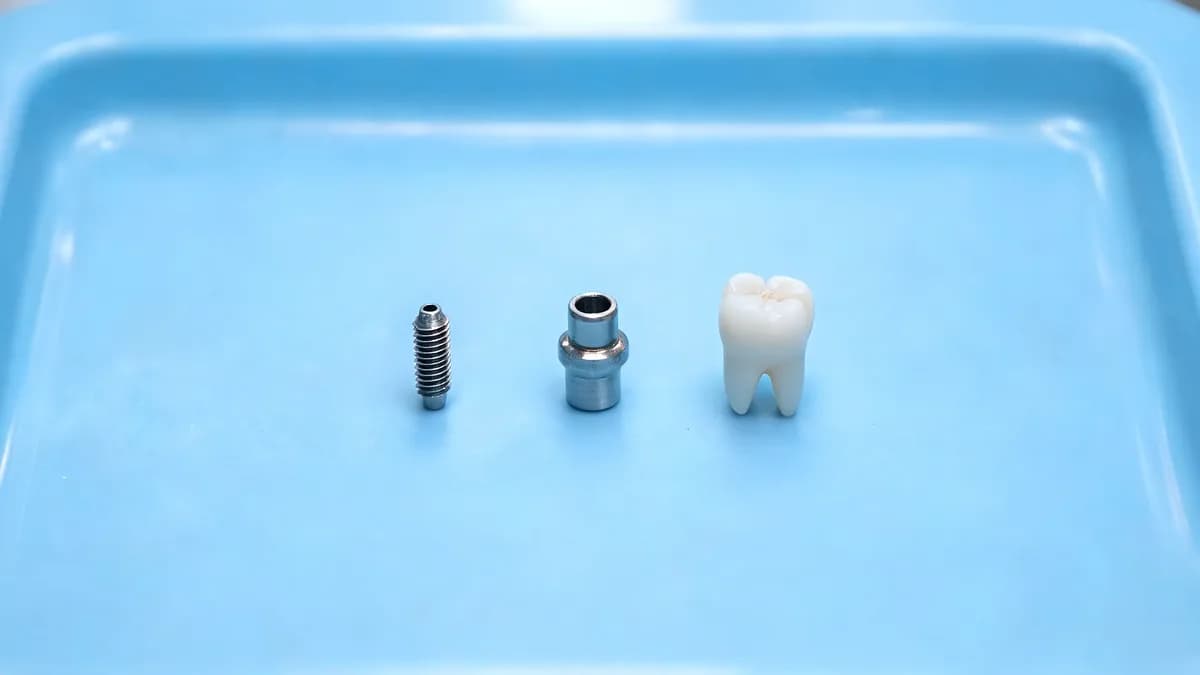
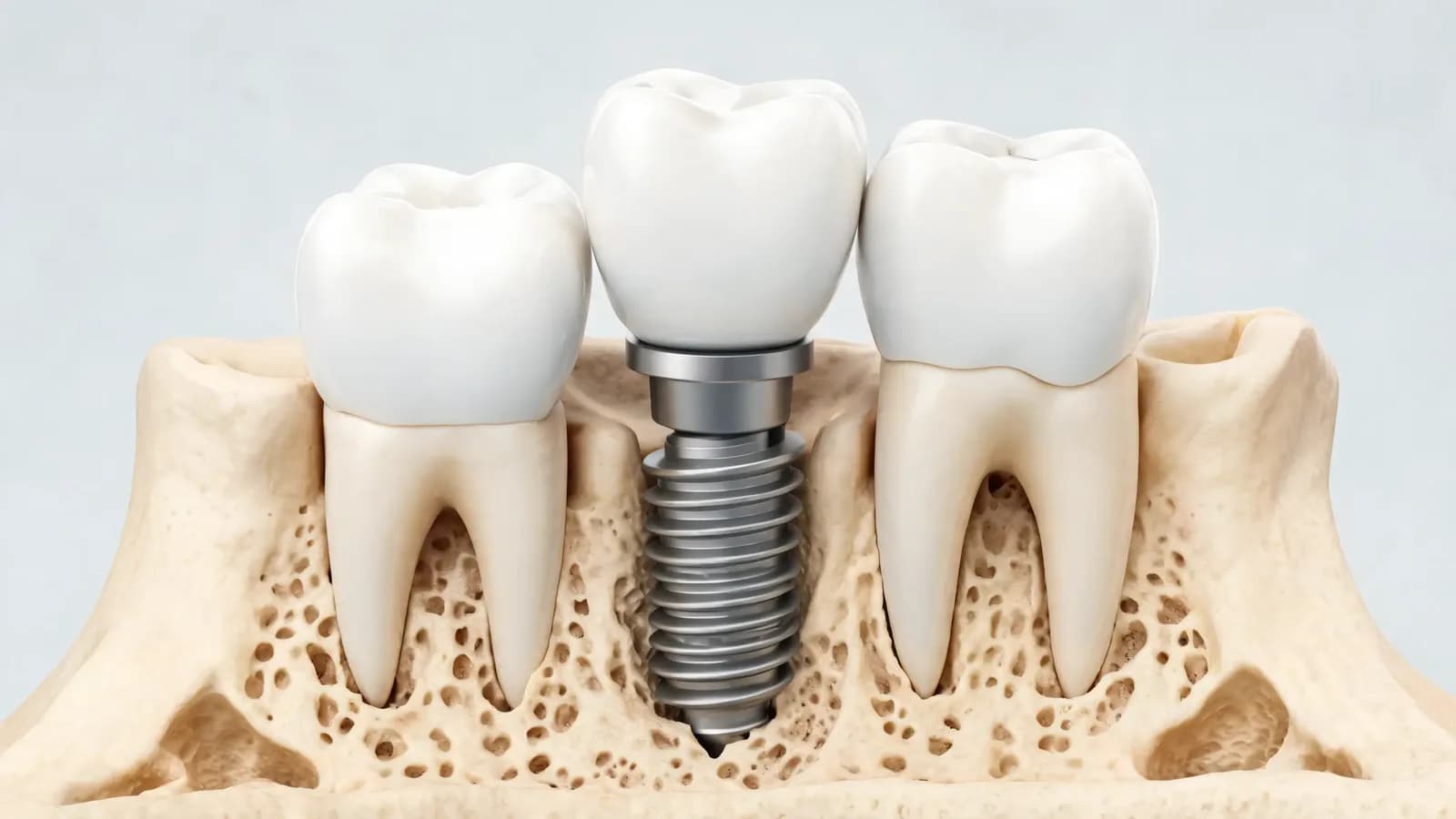
A dental implant is a small titanium post that takes the place of a natural tooth root. Bone grows directly onto its surface in a process called osseointegration, which is what gives an implant its stability. Once it has integrated, your restorative dentist attaches an abutment and a crown. The implant stands on its own, so the teeth on either side are not involved.
A fixed bridge replaces the missing tooth with a false tooth, called a pontic, joined to crowns on the teeth on each side of the gap. Those supporting teeth are reshaped so the crowns can fit over them, and the whole bridge is cemented in place as one piece.
There are other versions, including bridges supported by implants rather than natural teeth, and removable partial dentures. This article focuses on the most common comparison: one implant versus a conventional three tooth bridge for a single gap.
The Teeth Beside the Gap
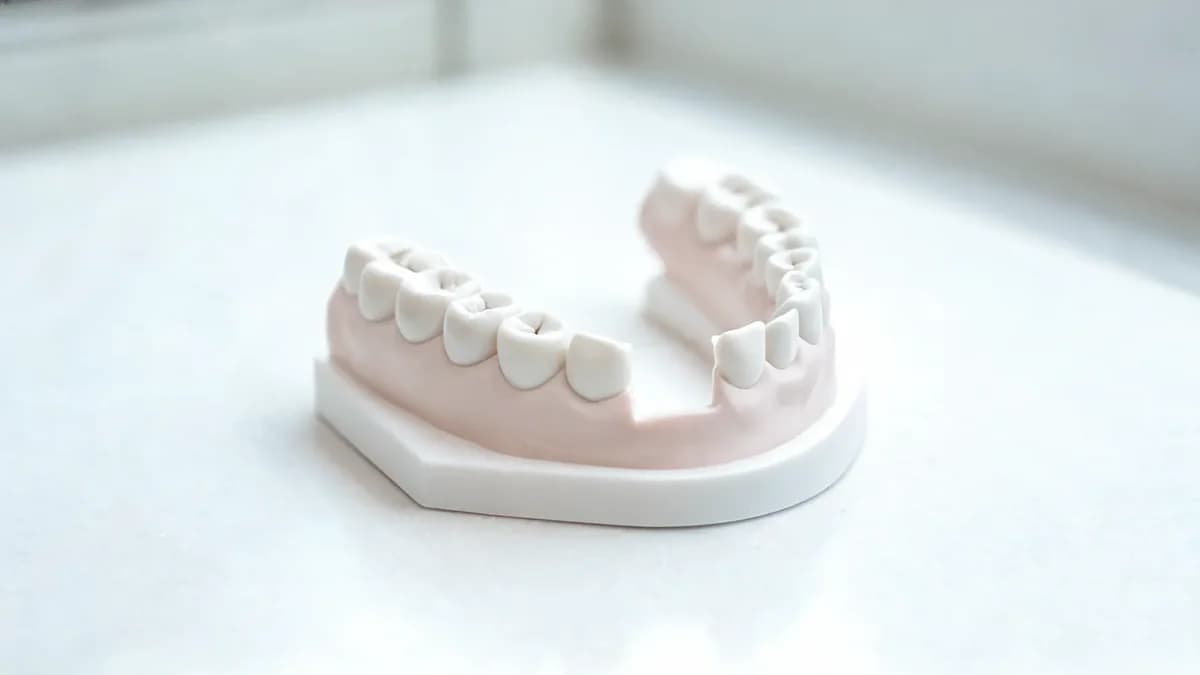
This is the clearest difference between the two. A conventional bridge needs the neighboring teeth to be cut down for crowns, even when those teeth are perfectly healthy. Once a tooth has been reshaped for a crown, that change is permanent.
An implant leaves the neighboring teeth alone. That is the central advantage over a conventional bridge, and it matters most when the teeth beside the gap are healthy and unfilled. If those teeth already have large fillings or crowns that need replacing anyway, the calculation shifts, and a bridge may make good sense.
There is a cleaning difference too. A bridge is one connected unit, so you cannot floss between the false tooth and its supports in the usual way. Threaders, special floss or small brushes are needed to clean under the pontic. An implant crown is cleaned much like a natural tooth, with brushing and flossing around it.
What Happens to the Jaw Bone
Jaw bone exists to support teeth. When a tooth is lost, the bone that held it begins to resorb, and most of that loss happens in the first year. Under a bridge, the false tooth sits on top of the gum and does nothing to stimulate the bone below, so the ridge can continue to shrink over time.
An implant sits in the bone like a root. The American Association of Oral and Maxillofacial Surgeons notes that, unlike fixed bridges or removable dentures, dental implants likely will not affect neighboring healthy teeth or lead to bone loss in the jaw (AAOMS: dental implant surgery).
The flip side is that an implant needs enough bone to begin with. If a tooth has been missing for a while, or the bone was damaged by infection or gum disease, a bone graft may come first. Our bone grafting page explains the types of graft and how long they take to mature. If a tooth is about to be removed, a socket preservation graft at the time of extraction is the least invasive way to protect the site; our guide to socket preservation covers it in detail.
Timeline and Treatment Steps
A bridge is usually the faster route. It is typically made over a few visits with your general dentist: the supporting teeth are prepared, impressions or scans are taken, a temporary is worn, and the final bridge is cemented.
An implant takes longer because the bone needs time to bond to it. The steps usually look like this:
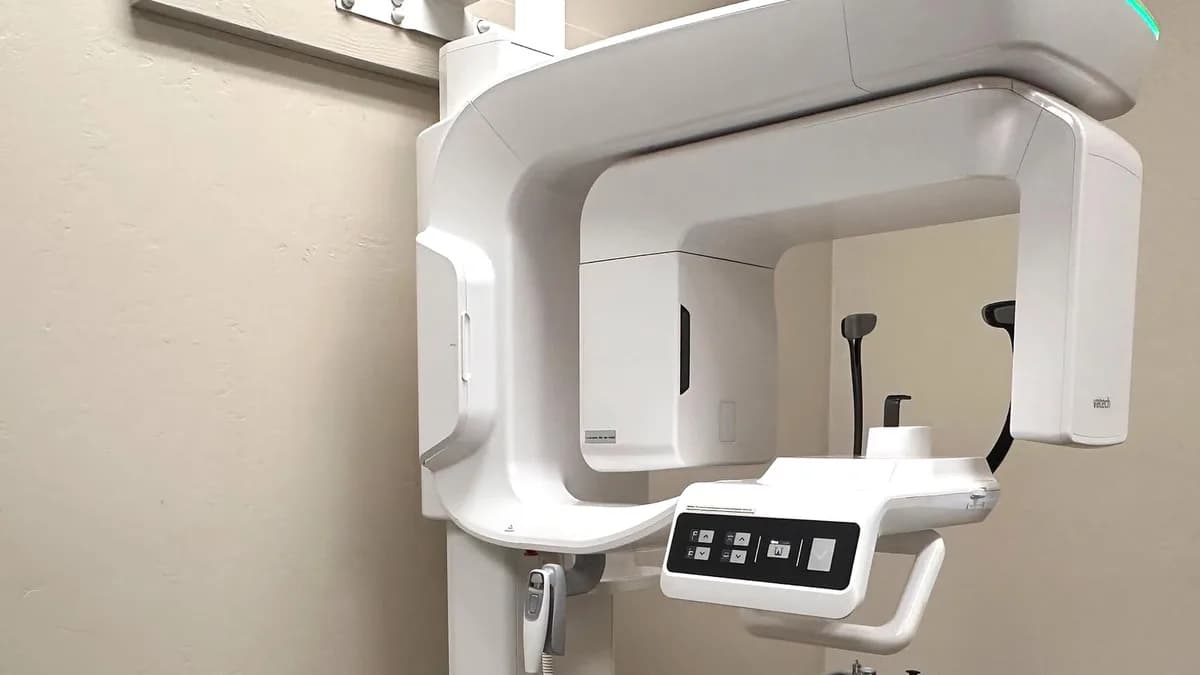
- Consultation and imaging. A cone beam CT scan shows the height, width and density of bone at the site, and the position of the sinus and nerve.
- Grafting, if needed. If the site is short of bone, grafting comes first and the implant follows once the graft has matured.
- Implant placement. Done under local anesthesia, with sedation available.
- Integration. Usually three to six months, depending on the site and whether grafting was needed. A temporary is arranged so the space is never left visibly open in the aesthetic zone.
- The crown. Your restorative dentist attaches the abutment and the crown.
Where the anatomy allows it, extraction, grafting and implant placement can sometimes be combined into a single appointment. Our guide to dental implant surgery step by step walks through each stage in more detail.
Longevity and Upkeep
An integrated implant is designed to be permanent. Its long term success depends on the same things natural teeth depend on: hygiene, healthy gum tissue and regular professional care. The crown on top can wear and may eventually need replacing, as any crown can.
A bridge also lasts for many years when it is well made and well cared for. Its weak points are the supporting teeth: decay can start at the edges of the crowns, especially where cleaning under the pontic is difficult, and if one supporting tooth develops a problem, the whole bridge may need to be redone.
Neither option is maintenance free. Both need careful daily cleaning and regular checkups, and both do best in a mouth where gum disease is under control.
Which One Is Right for You?
An implant is often the right answer when a single tooth is missing or cannot be saved, when a bridge would mean cutting down healthy adjacent teeth, when a denture has become loose as the ridge has resorbed, or when several teeth in one arch are failing at once. A bridge can be the better fit when the neighboring teeth already need crowns, when there is not enough bone and grafting is not an option you want, or when time is a priority.
Your health history, your bite, the condition of the teeth beside the gap and the bone at the site all feed into the decision. The best plan is one your general dentist and your surgeon agree on together, and we coordinate the handover so the sequence is clear to everyone from the start.
If you are weighing an implant, a consultation with imaging gives you a clear picture of whether your site is ready, whether grafting is needed and what the timeline would be. Learn more on our dental implants page, or book a consultation at our Bakersfield office, 1010 Calloway Drive, Suite 200B, or our Valencia office, 23501 Cinema Drive, Suite 207. Both are open Monday to Friday, 9:00 AM to 5:00 PM.
Common questions
Neither is better for everyone. An implant leaves the neighboring teeth untouched and supports the jaw bone, while a bridge is usually faster and can make sense when the teeth beside the gap already need crowns. Your dentist and surgeon will help you weigh it for your mouth.
A conventional bridge requires the teeth beside the gap to be reshaped for crowns, which is a permanent change. Those supporting teeth also need careful cleaning, because decay can start at the edges of the crowns.
Integration usually takes three to six months, depending on the site and whether grafting was needed. A temporary is arranged so the space is never left visibly open in the aesthetic zone.
A bone graft can often rebuild the site first, and the implant follows once the graft has matured. Imaging at your consultation shows whether grafting is needed.
We place the implant and manage the surgical phase, then hand back to your general dentist for the abutment and crown.
Placement is done under local anesthesia, with sedation available. Most patients describe the recovery as easier than an extraction.
Nothing in this article replaces an examination. What is right for you depends on your imaging, your medical history and what you want out of the result. Call OAKS in Bakersfield or Valencia, or request a consultation and we will set it out in plain language.
More from the blog
Dental Implant Surgery Step by Step, From Consultation to Crown
From the first consultation and 3D scan to the day your dentist fits the crown, here is how dental implant treatment unfolds and how long each stage usually takes.
October 5, 20265 min read
Socket Preservation: Why a Bone Graft at the Time of Extraction Matters
When a tooth comes out, the bone that held it starts to shrink. A socket preservation graft placed at the same visit helps keep your future options open.
September 14, 20265 min read